LRE energy storage systems maximize efficiency, reliability, and scalability to store and dispatch renewable energy generated from our solar and wind projects.
Reliable Power, Responsibly Stored
Responsible storage is essential for successful renewable energy projects. In addition to our solar and wind projects, LRE is a long-term owner of energy storage systems designed under best practices for longevity, reliability, and safety.
EFFICIENT SPACE UTILIZATION
High energy density enables more power to be stored in less space, enabling us to install in areas with space constraints. Our projects are designed with scalability in mind, ensuring adaptability to evolving energy needs.
LONG LIFECYCLES
A long cycle life reduces the frequency of battery replacements, lowering maintenance costs and ensuring consistent energy availability over the years, even as the system goes through numerous charge and discharge cycles.
MINIMAL LAG-TIME
LRE energy storage systems have the ability to discharge rapidly and deliver high power on demand with minimal lag time. Our systems respond quickly to fluctuations in energy demand, stabilizing the grid in real-time, which is crucial to balance supply and demand.
UNMATCHED SAFETY STANDARDS
Our rigorous safety protocols ensure that all our BESS facilities are designed to mitigate risk to surrounding ecosystems. Advanced thermal management systems, fire suppression and containment systems, real-time monitoring, are among the ways we promote safety, even during times of high demand. We actively collaborate with local fire departments and first responders to ensure adequate training to manage any unique challenges arising from battery storage.
RESPONSIBLE DEVELOPMENT
We’re deeply engaged in the communities where our renewable energy and storage facilities are located. We promote transparent communication with local community members, work closely with ecology experts when designing and developing projects, and collaborate with landowners and other stakeholders throughout planning and operations to limit our projects’ interference with the natural landscape.
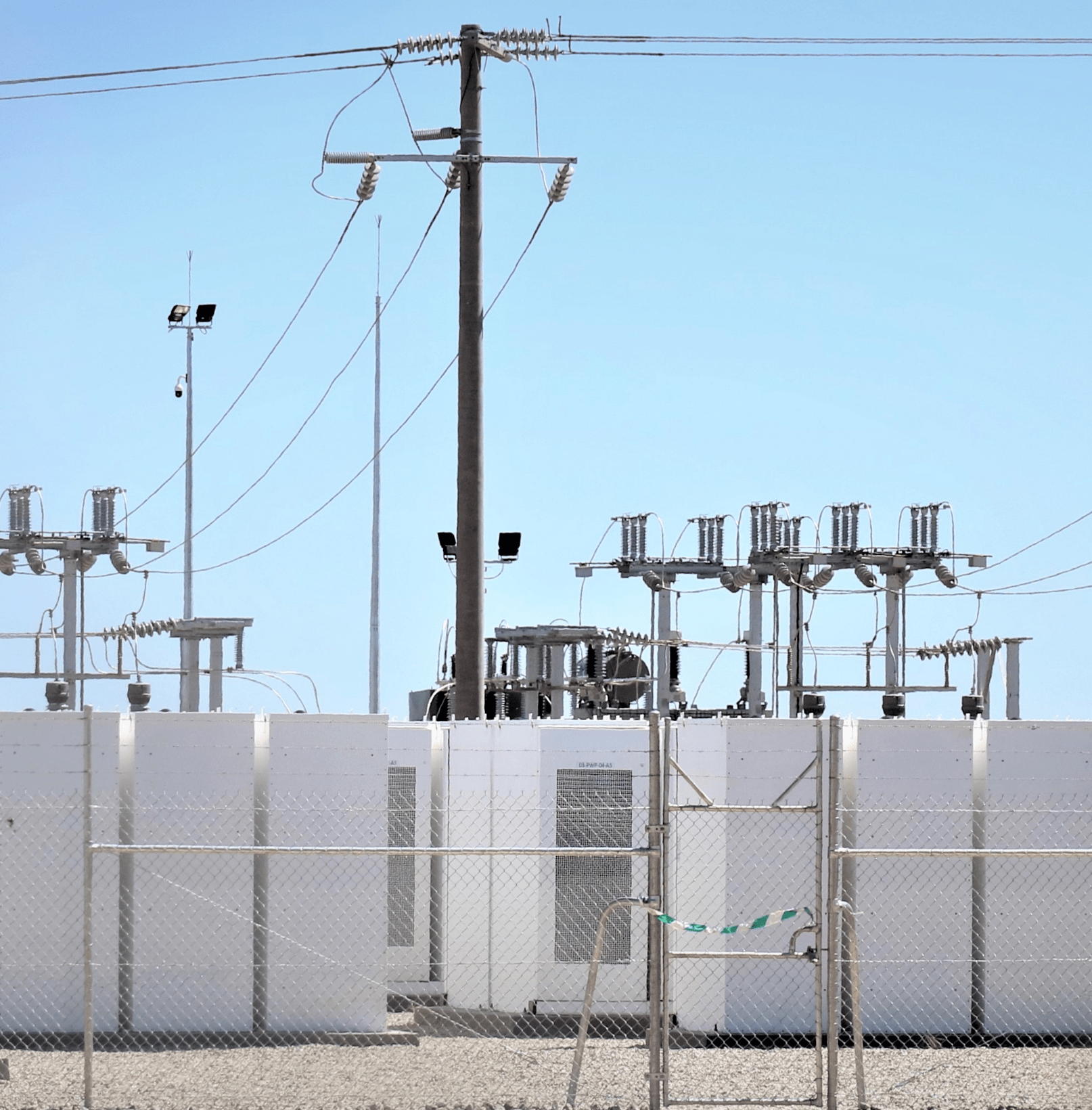
Our Storage Projects
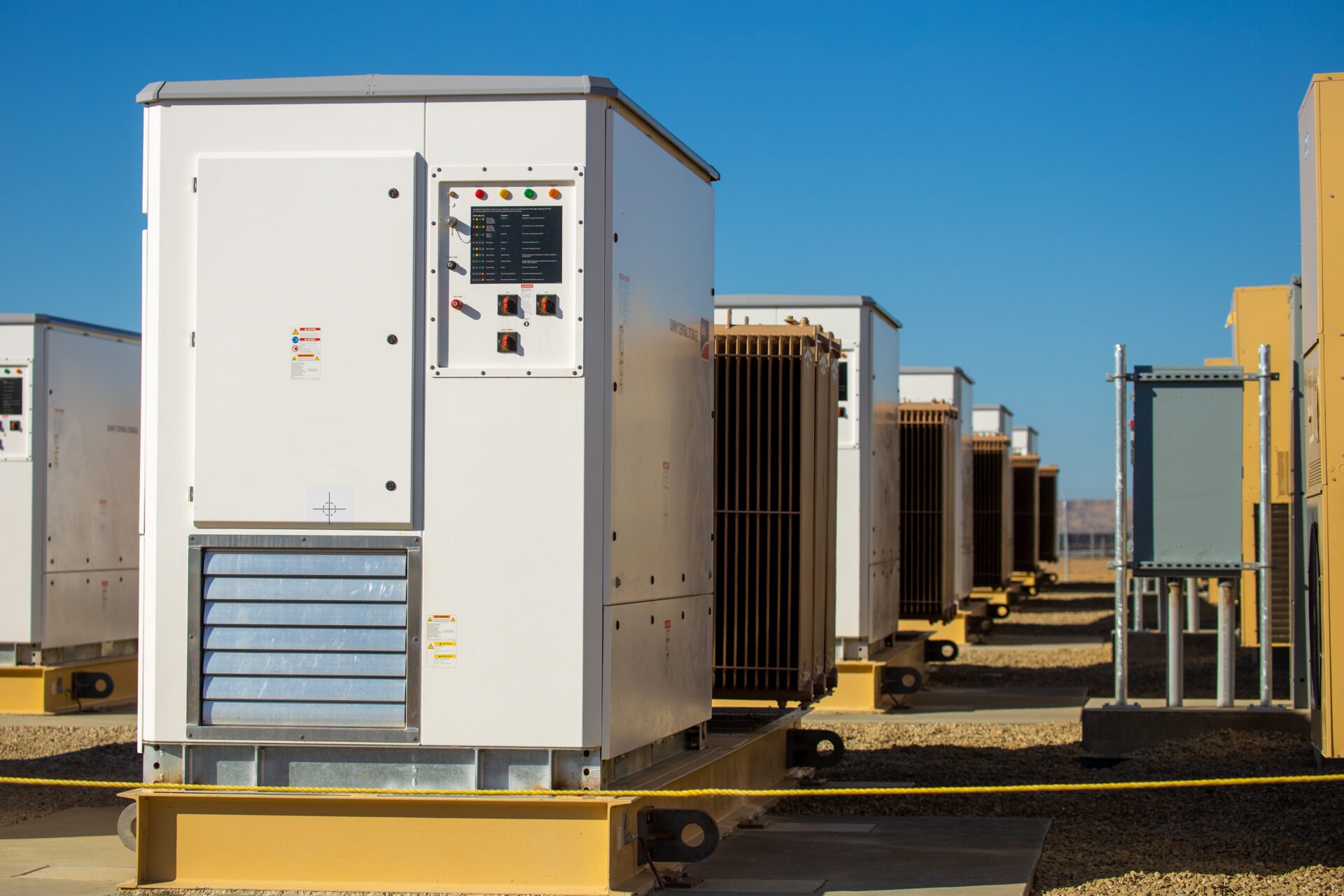
STORAGE PROJECT
AVEP BESS
Kern County, California
Leeward Renewable Energy’s (LRE) Antelope Valley BESS facility in Kern County, California is a 126–megawatt standalone battery energy storage system (BESS) in Kern County, California. The project is located adjacent to LRE’S 100–MW solar and storage Rabbitbrush project and 174–MW solar and storage Chaparral Springs project. The AVEP BESS facility is designed to support the resiliency and reliability of the California electrical grid and will be capable of storing over 500 MWhs of clean power that can be dispatched during peak load times to meet demand. LRE has entered into a Power Purchase Agreement (PPA) with Southern California Edison (SCE) to purchase energy from AVEP BESS. Once complete, the facility will be LRE’s first standalone battery energy storage system.
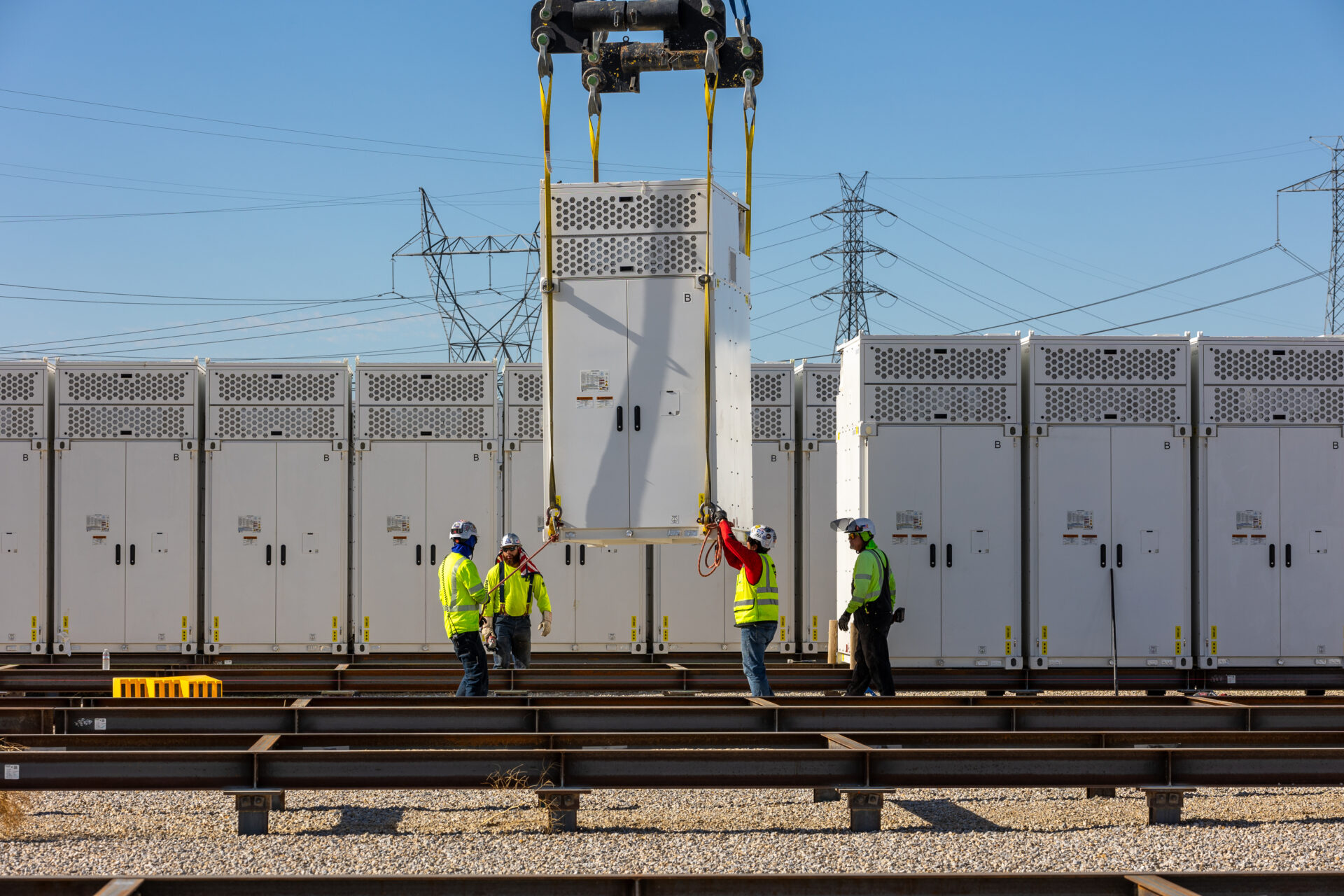
STORAGE PROJECT
Sierra Pinta Energy Storage
Yuma County, Arizona
Leeward Renewable Energy (LRE) is constructing a 112.5–megawatt (MW) standalone battery energy storage (BESS) project in Yuma County, Arizona. Sierra Pinta Energy Storage is designed to store and dispatch clean power during peak load times. The project will be located on approximately 10 acres in Yuma County and is adjacent to LRE’s 179–MW White Wing Ranch Solar project, which achieved commercial operation in October 2024.
Energy Storage Systems FAQ
Is energy storage safe?
Yes. All of LRE’s energy storage systems are carefully designed with safety as a top priority. Our energy storage projects include multiple layers of protection, such as advanced monitoring systems, automatic shutdown controls, fire-suppression technology, and secure enclosures. We continuously monitor these systems, enabling us to detect issues early and respond quickly if conditions change.
How does energy storage support a cleaner, more sustainable energy infrastructure?
Energy storage systems play a crucial role in the balancing of supply and demand, which is essential to a sustainable energy infrastructure. Energy from solar or wind power is captured during periods of high production, stored in utility-scale battery systems, then released when demand spikes. These responsibly designed energy storage systems help modernize aging infrastructure by delivering renewable energy long-term.
What steps does LRE take to ensure equipment is sourced responsibly and sustainably?
As part of our commitment to responsible development, we employ responsible procurement practices that consider the environmental, social, and ecological impact of components and equipment used for our projects. We prioritize responsibly sourced U.S.-made domestic equipment at all our renewable energy projects, and we are building a resilient domestic renewable energy ecosystem throughout all aspects of our business.
Where are LRE energy storage systems located?
Energy storage systems are usually located near renewable energy sources (wind or solar projects) or close to demand centers. We select the sites for our projects through careful planning that considers safety, zoning, environmental impact, and community compatibility. Our goal is to place energy storage where it can strengthen the grid most effectively while minimizing disruption to surrounding areas.
How does energy storage improve grid reliability and reduce power outages?
Energy storage systems help to stabilize the power grid by providing electricity exactly when it’s needed most. Energy from renewable sources is stored in batteries and released during peak demand periods, helping prevent outages and speeding recovery time if an outage does occur.
Let’s build sustainable solutions together.
Let us show you how responsible renewable energy projects from LRE generate jobs and deliver reliable power for generations to come.
"*" indicates required fields